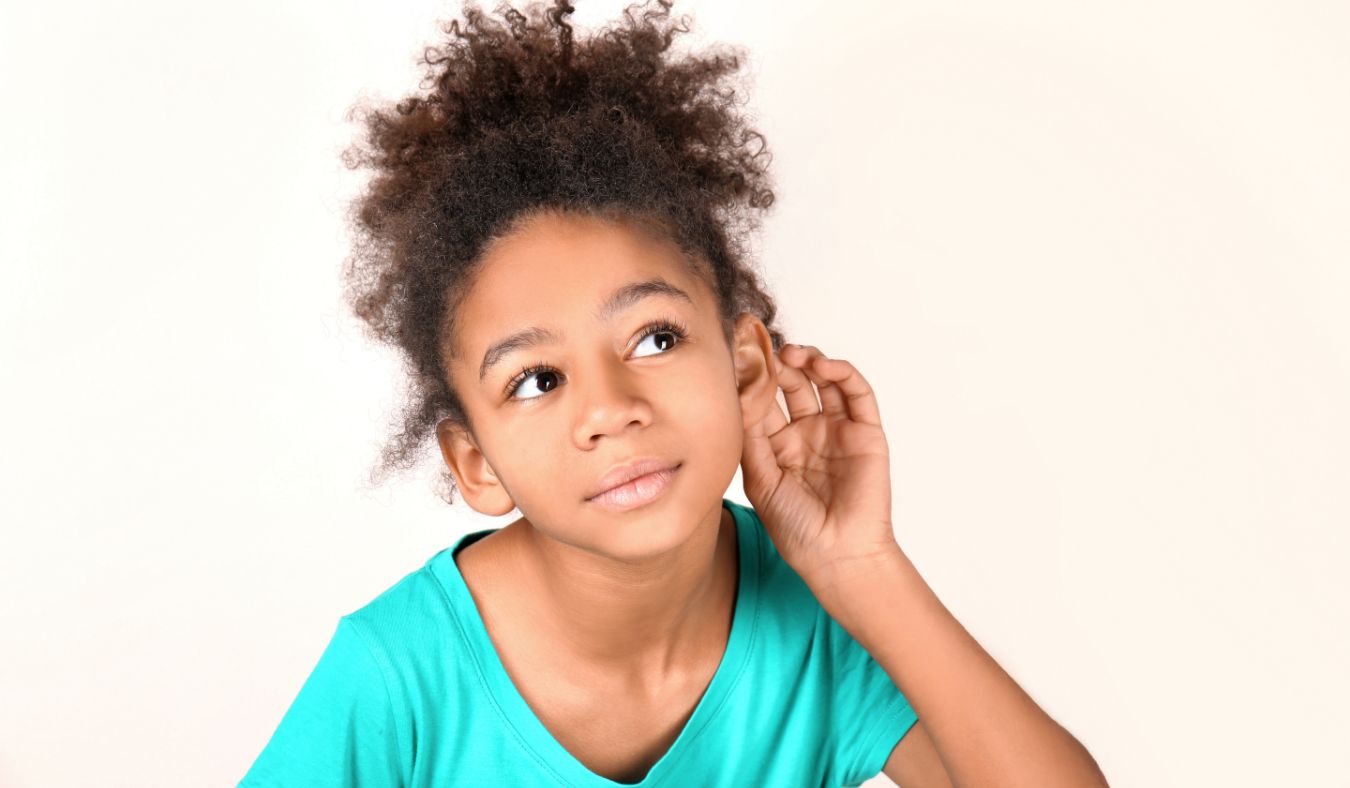
Children encounter loud sounds every day, from playgrounds and music to toys and traffic. While these noises are a regular part of growing up, they can sometimes be harmful if the volume is too high or the exposure lasts too long. Because children’s ears are still developing, they are more sensitive to damage. Noise-induced hearing loss (NIHL) is often permanent, so early prevention is key. Parents and caregivers have an important role in keeping children’s hearing safe and healthy for years to come. Learning how noise impacts young ears helps you make informed choices about your child’s daily environment and activities.

Understanding How Noise Can Affect Hearing Health

Inside the ear are tiny hair cells that send sound signals to the brain. Loud noises can damage these cells, and once they are harmed, they do not grow back. This can lead to permanent hearing loss. Everyday sounds, like music played too loudly through headphones or toys that make sharp noises, can affect hearing over time. When hearing loss happens, it may become harder for children to learn in school or communicate with friends. Knowing how noise affects your child’s ears helps you protect their development and well-being.

Why Children’s Ears are More Sensitive Than Adult Ears

Children’s ears are more sensitive because they are still growing. The ear canal and the tiny hair cells inside are not fully mature, so loud sounds can cause damage more quickly than in adults. Because young ears are delicate, even normal daily noise can have a greater impact. Limiting loud sounds and supporting healthy hearing habits from an early age can make a lasting difference for your child’s future.

Everyday Noises That Can Be Harmful for Children

Some everyday sounds can be louder than you might expect. Traffic, lawnmowers and crowded cafeterias often reach noise levels that can harm children’s hearing over time. Toys with sirens or music, video games played at high volume and noisy sporting events are also common sources of loud noise. Even short bursts of these sounds may cause harm if the volume is high enough.

Pay attention to the loudness of your child’s environment and try to limit how long they are exposed to these sounds. Lowering the volume on devices or choosing quieter toys can help protect your child’s hearing.

Noticing When Sounds May Be too Loud for Young Ears

It is not always easy to know when a sound is too loud for your child. If you have to raise your voice to be heard over the noise, it may be too loud for young ears. Children might cover their ears or move away when a sound feels uncomfortable. If your child seems bothered by certain noises, try to lower the volume or move them to a quieter place.

Smartphone apps or sound level meters can help you check how loud an environment is. Sounds above 80 decibels can be risky, especially if your child is exposed for more than a few minutes. Keeping track of noise levels helps you make safer choices for your child’s hearing.

The Role of Hearing Protection During Noisy Activities

There are times when you cannot avoid loud sounds, like during concerts, sporting events or fireworks displays. In these situations, hearing protection is important for keeping your child’s ears safe. Earmuffs and earplugs designed for children are easy to find and help lower the amount of noise that reaches the ear.

Keep hearing protection handy when you know your child will be in a loud place. Make sure earmuffs or earplugs fit well and feel comfortable so your child will use them. Teaching children how and when to use hearing protection encourages healthy habits that support hearing now and in the future.

Teaching Children About Safe Listening Habits

Children are more likely to practice safe listening when they understand why it matters. Talk with your child about how loud sounds can hurt their ears and explain that taking breaks or turning down the volume keeps their ears safe. Encourage your child to speak up if something feels too loud or uncomfortable. Let them know it is acceptable to ask for the volume to be lowered or to move away from loud noises. When children take part in these decisions, they become more aware of their surroundings and are more likely to protect their hearing as they grow.

The Importance of Limiting Time Around Loud Sounds

Limiting how long your child spends around loud sounds is one of the best ways to protect their hearing. Even if a sound is not extremely loud, long exposure can still cause harm. Taking short breaks from noisy environments gives your child’s ears time to rest.

Simple steps like setting time limits on noisy activities help keep your child’s ears safe. Small changes in daily routines can have a big impact on your child’s long-term hearing health.

Creating Quieter Environments at Home and in the Classroom

Small changes at home and school can help lower noise levels for children. Carpets, curtains and soft furniture absorb sound, while turning down TVs or music players helps control background noise. Parents and teachers can set up quiet areas where children can take a break from loud sounds. Choosing quieter toys and encouraging indoor voices during playtime also support better hearing health. These steps help you feel confident about protecting your child’s ears each day.

Encouraging Safe Listening with Headphones and Devices

Many children enjoy using headphones for music, games or videos. While these activities are fun, listening at high volumes or for long periods can increase the risk of hearing loss. Helping your child use headphones safely is important for their hearing health. Keep these tips in mind:

  • Choose headphones with volume limits.
  • Remind your child to keep the volume at half or less of the maximum setting.
  • Encourage regular breaks from listening.
  • Teach your child not to share earbuds or headphones, which also helps prevent ear infections.

Practical Steps Parents and Caregivers Can Take to Help Protect Hearing

Parents and caregivers play an important part in protecting children’s hearing by setting clear rules about noise. Remind children to keep the volume low on devices and take breaks from loud activities. Provide hearing protection like earmuffs or earplugs during noisy events. These tools help lower the risk of hearing loss when loud sounds cannot be avoided.

Teaching children about healthy hearing habits encourages them to make safer choices on their own. Early action reduces the chance of lasting hearing loss and supports better learning and communication.

Helping Children Keep Their Hearing Safe

Simple steps like turning down the volume, using hearing protection at loud events and creating quieter spaces can make a real difference in your child’s hearing health. If you have concerns about your child’s noise exposure or notice changes in their hearing, schedule an appointment with an audiologist. A quick checkup or conversation with an audiologist can provide reassurance and guidance tailored to your family’s needs. Early support helps address any concerns before they become bigger problems and sets the stage for better lifelong hearing health.