Hearing aid technology is moving forward quickly, bringing real improvements to how you hear and connect with others. New designs aim to improve speech clarity, adjust more smoothly to different environments and reduce the need for constant manual changes.

These improvements are meant to fit into daily routines, whether you are talking with family at home, spending time in busy public spaces or switching between quiet and louder settings throughout the day. Understanding these changes, you can make better choices about your hearing care and get the most from your devices.

How Hearing Aid Technology Has Changed Over Time

Hearing aid technology has changed a great deal over the years, with steady improvements that focus on everyday comfort and clearer listening. Earlier devices were often larger and offered limited control, while newer hearing aids are smaller, more flexible and better at handling different listening situations.

Advances in processing allow sounds to feel more balanced, making speech easier to follow while keeping background noise from taking over. Today’s hearing aids are also designed to work more smoothly with modern lifestyles, offering features that adapt to changing environments without constant manual adjustments.

These changes have helped hearing aids become less noticeable and more practical, supporting better communication throughout the day.

Health Monitoring Features

Health monitoring features are becoming a more common part of modern hearing aid technology.

Some newer devices can track everyday data like movement, activity levels or how often the hearing aids are worn, giving helpful insight into daily habits. This information can be shared with your audiologist to support more informed care and conversations about your overall well-being.

While these features do not replace medical devices, they offer an added layer of awareness that fits easily into daily life. As hearing aids continue to evolve, these built-in tools are designed to support a more complete picture of health.

Better Speech Clarity and Ways to Reduce Background Noise

Improving speech clarity has been a major focus of recent hearing aid technology advances. Modern devices are designed to make conversations easier to follow, even in environments where multiple people are talking at once.

These improvements help highlight the voices you want to hear while keeping other sounds softer and less distracting. The result is a listening experience that feels more natural and allows you to engage in conversations without having to concentrate as hard on every word.

Reducing background noise works hand-in-hand with better speech clarity. Newer hearing aids can separate important sounds from less relevant ones, like the hum of appliances or distant traffic, so you can focus on what matters.

This feature also helps decrease listening fatigue, allowing you to participate in conversations for longer periods without feeling tired. With these advances, hearing aids are becoming more responsive to real-life situations, supporting clearer communication and making everyday listening more manageable.

Improvements in Wireless Connections and Device Pairing

Recent improvements in wireless connections and device pairing have made hearing aids more convenient and easier to use with everyday technology. Modern hearing aids can connect directly to smartphones, tablets and other devices, allowing you to stream calls, music or media straight to your ears.

Pairing these devices has become simpler, with fewer steps and more reliable connections, so you spend less time troubleshooting. These updates make it easier to stay connected in both personal and professional settings, giving you more consistent access to sound without interruptions or extra effort.

New Options for Rechargeable Batteries and Charging Methods

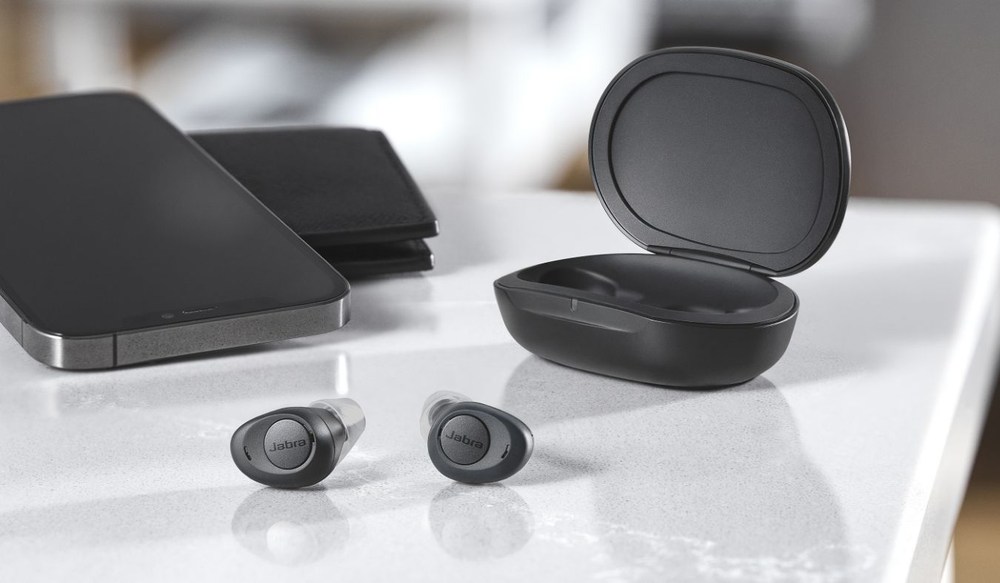
Rechargeable batteries are now common in hearing aids, reducing the need to change small batteries frequently. Some charging cases are portable, letting you charge your hearing aids while on the move.

Wireless charging pads are also becoming more available. Many devices include battery life indicators, so you know when it is time to recharge and are less likely to run out of power during the day.

Personalization Tools That Use Artificial Intelligence (AI)

Artificial intelligence is now helping hearing aids adjust more closely to your personal listening needs. These tools learn from your daily habits and sound preferences, making changes automatically throughout the day.

For example, if you often visit busy places or quiet parks, AI can remember these environments and set your hearing aid for the best sound in each situation. This means less time spent adjusting settings and more time enjoying clear conversations wherever you go.

Using Mobile Apps for Remote Adjustments and Support

Mobile apps for hearing aids give you a convenient way to make adjustments without needing to visit your audiologist in person.

You can control volume, switch between listening programs and fine-tune settings for different environments directly from your smartphone. This flexibility helps you manage your hearing aids more efficiently, whether you’re at home, at work or out in public, making small adjustments to fit your current situation.

These apps also often provide support features, like troubleshooting tips or direct communication with your audiologist. If you notice a change in how your hearing aids perform, you can get guidance quickly and sometimes even have settings updated remotely.

Using an app in this way helps you maintain consistent hearing support throughout your day and gives you more control over your listening experience without having to wait for an appointment.

What to Think About Before Choosing New Hearing Aid Technology

When considering new hearing aid technology, think about which features matter most for your daily life. Some people want better sound in noisy places, while others care more about easy connections to phones or longer battery life.

Consider your lifestyle and the situations where you need the most help hearing. It can also be helpful to talk with your audiologist about which options fit your needs and budget.

Looking Ahead to Better Hearing in 2025

Keeping up with changes in hearing aid technology helps you get the most from your devices. The advances expected in 2025, like smarter sound processing, improved wireless connections and easier ways to personalize your settings, are designed to make hearing aids more helpful and convenient.

If you would like to learn more about how these new features could benefit you or want advice on choosing the right device for your needs, schedule an appointment with an audiologist. Staying informed helps you make choices that support better hearing every day.