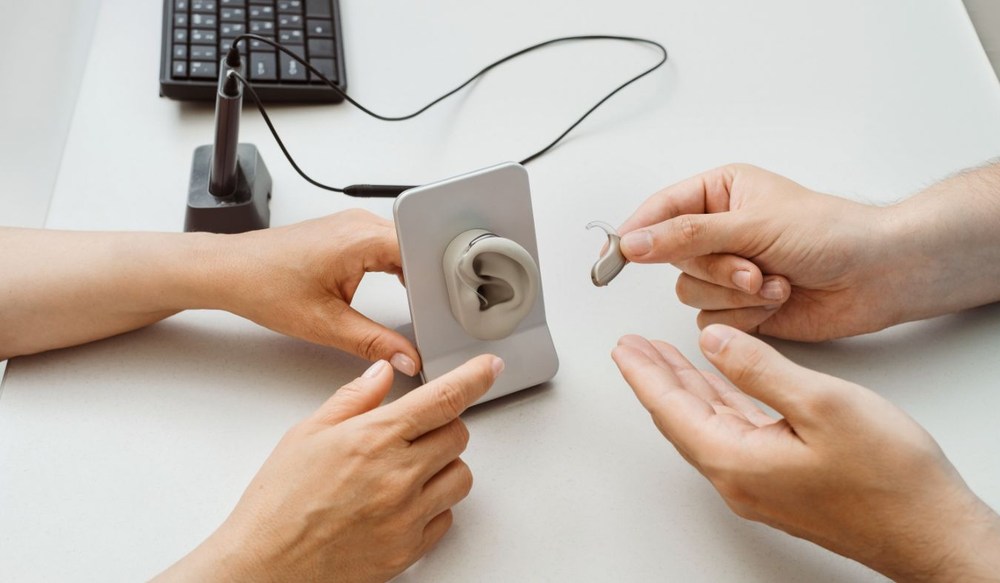
Looking into the vast array of hearing aids available can feel difficult with so many different options on the market. Modern hearing technology has evolved dramatically, offering diverse solutions to meet various hearing needs, lifestyle preferences and budget considerations. From nearly invisible in-ear models to advanced behind-the-ear devices with smartphone connectivity, the range of choices allows for personalized hearing solutions.

Understanding the types of hearing aids available can help you make an informed decision that enhances your hearing experience while complementing your daily life. As hearing aids continue to improve in both performance and comfort, now is a good time to consider how they can help with communication and daily life. These improvements can make it easier to stay connected and more involved in the things you do every day.

What Are Hearing Aids?

When talking about hearing aids, it’s good to know the basics. These small devices are designed to improve your hearing by boosting sounds, making them easier for you to hear. This can make a huge difference, especially in noisy environments. Hearing aids are made up of a microphone, an amplifier and a speaker. The microphone picks up sound from your environment and turns it into electrical signals. The amplifier then strengthens these signals before sending them through the speaker into your ear, helping you to hear more clearly.

Different types of hearing aids come with different features to meet unique needs. Some models have directional microphones that concentrate on sounds coming directly from in front of you, great for conversations in busy places. Others include telecoils for clearer phone calls or wireless connectivity to devices like your TV or smartphone. Understanding these features is an important step towards choosing the right device for your needs.

The Progress of Hearing Aids

It’s pretty amazing to see how far hearing aid technology has come over the years. Originally, hearing aids were large, noticeable devices that provided basic sound amplification. But with the introduction of digital technology in the 1990s, these devices are more advanced. Modern hearing aids are stylish, discreet and filled with features that make them more effective than ever. Many models now offer wireless connectivity, allowing you to stream audio directly from your phone or TV. Others have advanced noise reduction technologies that help you concentrate on the sounds you want to hear, reducing background noise.

These technological advancements have not only improved hearing aids’ effectiveness but also made them more wearer-friendly and customizable. You can now find a device that fits your lifestyle while offering excellent support for your unique hearing needs.

Styles of Hearing Aids

There are several different hearing aid styles, each made to support different levels of hearing loss and personal needs. Some are small and sit deep in the ear, while others rest behind the ear and are easier to adjust. The right style for you will depend on things like comfort, how easy it is to handle and what features you find useful. For example, some people may prefer a device that’s easy to remove and clean, while others might prioritize a more hidden appearance. Taking the time to compare styles can help you find one that fits your routine and preferences.

Behind-the-ear (BTE) models, for example, have a small plastic case that sits behind your ear, connected by a clear tube to an earmold inside your ear canal. BTEs are versatile and suitable for all types of hearing loss, from mild to profound. The in-the-ear (ITE) style is custom made to fit snugly in your outer ear. They’re generally easier to handle than other types and can accommodate larger sound amplifiers, making them suitable for mild-to-moderately-severe hearing loss.

Completely-in-canal (CIC) or in-the-canal (ITC) models sit partially or fully inside your ear canal, making them less visible than other styles. However, their smaller size may make them harder to handle and they might not be suitable if you have severe hearing loss or frequent ear infections.

What works best for someone else might not be the best for you. So, taking into account your individual circumstances before deciding on a particular style is important.

How to Choose the Right Hearing Aid?

Choosing the right hearing aid is a decision that directly affects your ability to hear and interact with the world around you. One of the challenges you might face is understanding which features are necessary for your specific needs. An audiologist can provide valuable insights into the type of hearing aid that would best suit your lifestyle and degree of hearing loss, ensuring that you get the most out of this important investment in your quality of life.

Matching Your Hearing Aid Selection to Your Needs

Your lifestyle is unique, and so are your hearing needs. Picking a hearing aid that aligns with your daily activities and personal needs can make all the difference in improving your communication skills and enhancing your life’s quality. Your daily routine can help determine what features are most helpful. For example, if you’re often in noisy places, you might need a hearing aid that focuses on speech and reduces background noise. If you prefer simple use, a device with fewer controls may be easier to manage.

Comfort and fit are also important when matching a hearing aid to your needs. Some people prefer small, hidden devices, while others are more comfortable with larger models that are easier to handle. If you have trouble using small buttons or have limited hand movement, a larger style might work better for you. Also, think about how often you want to recharge or replace batteries, as this can affect how well the device fits into your routine. Taking the time to consider these factors can lead to a better overall experience with your hearing aids.

Deciding on Your Hearing Aid

Once you understand the different types of hearing aids and what they offer, choosing one becomes a bit easier. Everyone’s hearing needs are different, so finding the right fit takes some careful thought. It helps to work with an audiologist who can explain your options and recommend what might work best for your daily life. They can also make sure your hearing aid is set up in a way that supports your specific listening needs. Taking this step can lead to better results and more comfort in your day-to-day routine.

They can help evaluate your level of hearing loss, discuss your daily routines, activities you enjoy and even consider factors like budget. The aim here is to find a balance between comfort and functionality. If you want to learn more about the different types of hearing aids or which may be best for your needs, schedule an appointment with an audiologist.