Everyday sounds like clattering dishes, a ringing phone or children playing are easy to ignore, but for those with hyperacusis or other sound sensitivity disorders, these noises can feel uncomfortably loud or even painful.

You might find yourself covering your ears in situations that do not bother others or avoiding restaurants, stores and social events because the noise feels too loud. This is a condition in which the auditory system processes certain sounds differently, making specific frequencies or volumes genuinely distressing.

Understanding what you are experiencing and knowing that others face the same challenges can help reduce feelings of isolation and guide you in making changes to protect your comfort.

What Hyperacusis and Sound Sensitivity Disorders Mean

Hyperacusis and other sound sensitivity disorders happen when the auditory system responds more strongly to certain sounds than usual.

Everyday noises that most people notice only slightly can feel unusually loud, sharp or uncomfortable for someone with these conditions. The level of sensitivity varies from person to person, and it is not related to hearing loss but to how the brain and ears process sound.

Sound sensitivity can influence daily life in different ways. Some people may prefer quieter settings or choose to take short breaks from noisy environments to stay comfortable.

Recognizing the condition helps you understand your reactions and develop strategies to manage sound exposure. With the right approach, it is possible to stay engaged in work, social activities and daily routines while maintaining your comfort and protecting your hearing.

How Sound Sensitivity Differs from Typical Hearing Loss

Sound sensitivity differs from typical hearing loss because it is not about difficulty hearing quiet sounds but about how certain noises are perceived. People with sound sensitivity may hear normally or even better than average in some situations, yet everyday sounds can feel uncomfortable or distracting.

Some differences include:

  • Normal hearing ability for most sounds, unlike hearing loss where quiet sounds are hard to detect.
  • Discomfort or pain from specific frequencies or volumes, rather than a general reduction in hearing.
  • Reactions that vary depending on the environment, noise type or duration of exposure.
  • The brain and ears processing sound differently, rather than damage to the ability to detect sound.

Common Signs and Everyday Challenges You May Notice

You may start to notice patterns in when sounds feel like too much. Certain noises might bother you right away, while others only become a problem after a long or stressful day.

Common signs include flinching or tensing up when you hear sudden sounds like a door slamming, dishes clattering or a dog barking. You might find yourself covering your ears in places that others seem fine with, like busy restaurants, school cafeterias or crowded stores.

These issues can affect simple daily tasks. You may avoid using the vacuum, blender or hair dryer because they feel harsh on your ears or ask others to turn down the TV more often than before. This can make social plans and work or school activities harder to manage and may leave you feeling limited in what you can comfortably do.

How Audiologist Evaluate Hyperacusis and Sound Sensitivity

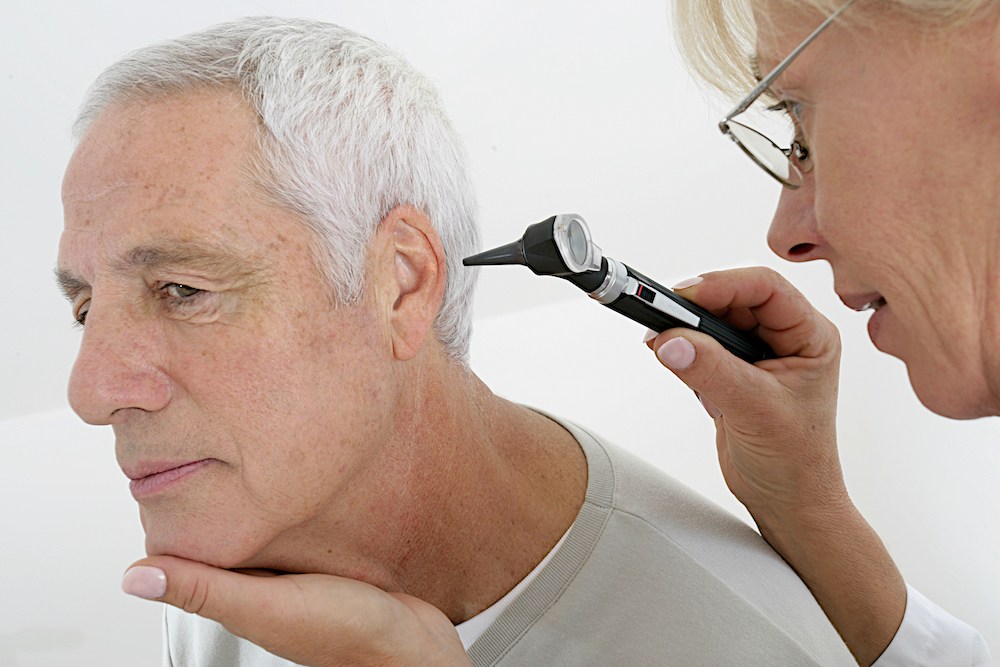
Audiologists evaluate hyperacusis and sound sensitivity by first reviewing your hearing history and asking detailed questions about the sounds that cause discomfort.

They may discuss when the reactions started, how intense they are and which environments trigger the most problems. This information helps an audiologist understand how your auditory system is responding to everyday noises and how the condition affects your daily life.

Testing usually involves measuring your hearing across different frequencies and volumes to identify areas where sounds may be perceived as too loud or painful. Some audiologists also use specialized tools to assess loudness tolerance and sound tolerance levels.

Combining these tests with your reported experiences, they can create a personalized plan to manage sound sensitivity, whether through sound therapy, hearing protection strategies or environmental adjustments.

Treatment Options Including Sound Therapy and Counseling Support

Treatment for hyperacusis and sound sensitivity often involves a combination of sound therapy and counseling support. Sound therapy uses carefully controlled background noise or soft sounds to help your auditory system gradually adjust to everyday noises, reducing discomfort over time.

Counseling can teach coping strategies, provide guidance on managing triggers and address the stress or anxiety that often accompanies sound sensitivity. These treatment options help you regain more comfort in daily environments and give you practical tools to participate in work, social activities and home life.

Self-Care Habits and Coping Skills You Can Practice Every Day

Simple daily habits can support the care you receive from an audiologist and give you more control over how you feel around sound.

Many people find it helpful to build short quiet times into the day where phones are silenced and TVs are off so the ears and brain can rest. Gentle activities like stretching, walking or slow breathing can lower stress levels and make it easier to handle sound later on.

You can also practice gradual exposure in safe ways. For example, you might:

  • Play soft background sounds for a few minutes at a time.
  • Slowly increase the length of listening as it feels comfortable.
  • Adjust the volume only when you feel ready.

Taking the Next Steps to Manage Sound Sensitivity

Living with hyperacusis or sound sensitivity can be tiring, but many people find that with the right support everyday sounds become easier to handle. From there, careful evaluation, sound therapy, counseling support and practical changes in your daily routine can all work together to improve comfort.

If sound sensitivity is starting to shape your choices or cause ongoing worry, schedule an appointment with an audiologist. A thorough evaluation can help explain why certain sounds bother you and which approaches may fit your situation best.