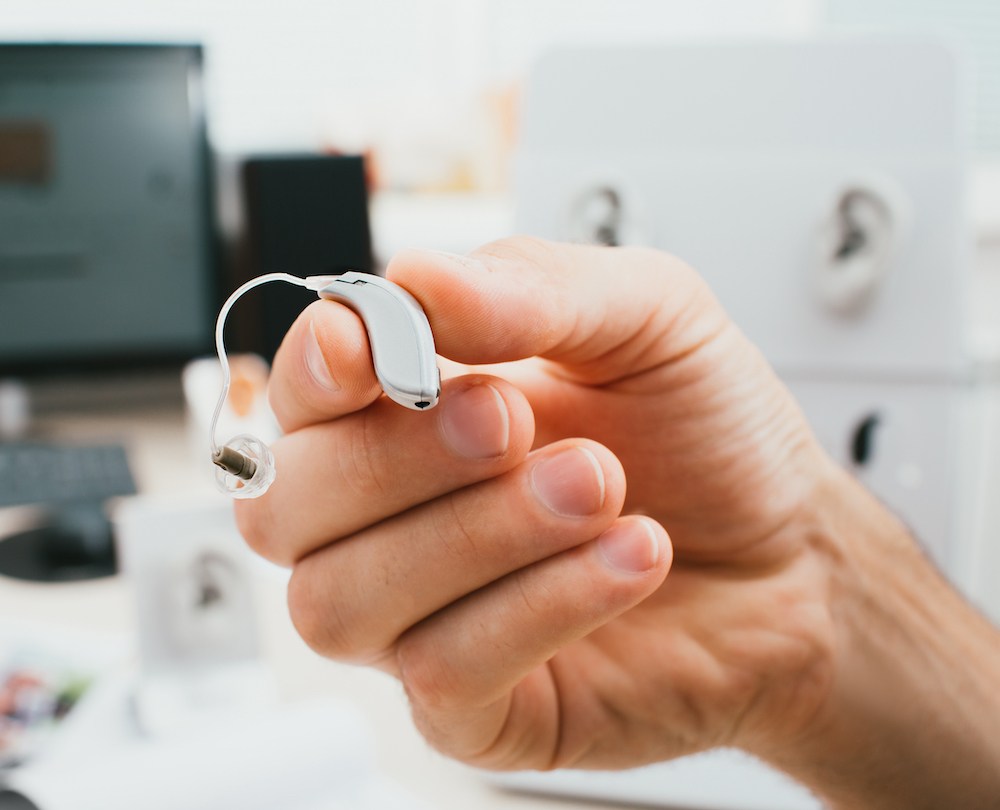
Hearing aids today are designed to do more than simply make sounds louder. They carefully analyze the sounds around you, distinguishing speech from background noise and adjusting automatically to help you focus on important sounds. Understanding how this process works can give you a clearer sense of how your devices function in different listening situations.

These devices use technology to prioritize certain frequencies and reduce others, creating a listening experience that is more natural and suited to your needs. Knowing how your hearing aids filter and process sound can help you understand why they perform differently in various environments. This awareness also makes it easier to communicate with your audiologist about adjustments, helping you get the most consistent benefit from your hearing aids.

How Hearing Aids Detect and Amplify Everyday Sounds

Hearing aids use tiny microphones to pick up sounds from your environment, like voices, music or the hum of a refrigerator. These sounds are changed into digital signals that can be adjusted and made clearer by the hearing aid’s processor. Once the hearing aid decides which sounds should be louder, it sends those signals to a small speaker in your ear. This process helps you hear important sounds more easily while keeping background noise at a comfortable level.

Ways Digital Advances Have Improved Hearing Aid Performance

Digital technology has improved how hearing aids work in many ways. Modern devices adjust quickly to different sounds, making speech clearer and reducing unwanted noise. Many hearing aids now connect wirelessly to phones and other devices, letting you hear calls or music directly through your hearing aids. These advances help you enjoy more natural sound and feel more confident in many listening situations. New features like these make daily life easier for people who use hearing aids.

How Directional Microphones Work in Hearing Aids

Directional microphones are a key feature in many modern hearing aids. These small microphones focus on sounds coming from in front of you while lowering the volume of sounds from other directions. This design helps you hear conversations more clearly, especially in places with a lot of background noise.

The microphones work together with digital processors inside your hearing aid to separate speech from unwanted sounds. This technology allows you to participate in conversations with greater ease, even when you are surrounded by noise.

Directional microphones are most effective in situations where speech comes from one direction and background noise is spread out.

Noise Reduction Technology in Modern Hearing Aids

Noise reduction is another important feature in today’s hearing aids. This technology helps your device tell the difference between speech and unwanted background sounds, like traffic or the hum of an air conditioner. When your hearing aid detects noise that does not match speech patterns, it can lower the volume of those sounds automatically. This makes it easier for you to focus on conversations without being distracted by constant background noise.

Feedback Management Systems in Hearing Aids

Feedback is the whistling or squealing sound that sometimes happens when sound from your hearing aid gets picked up by its microphone and re-amplified. Modern hearing aids have feedback management systems that help prevent this problem. These systems quickly recognize when feedback is starting and make changes to stop it before it becomes noticeable. You can wear your hearing aids more comfortably and with fewer interruptions during daily activities.

The Role of Microphones in Gathering Clear Sound

Microphones are the first part of a hearing aid that collects sound from your surroundings. They pick up everything from voices to background noise and send those sounds to the processor inside your device. The quality of these microphones affects how clearly you hear speech and other sounds. When considering what makes a good microphone in a hearing aid, keep this checklist in mind:

Sensitivity: Can the microphone pick up quiet and loud sounds accurately?

Directionality: Does it help focus on voices in front of you?

Noise reduction: Can it help lower unwanted background noise?

Choosing the right hearing aid with strong microphones can make daily conversations easier. Even small changes in technology can have a big impact on how well you hear each day.

How Hearing Aids Adjust Automatically to Changing Surroundings

Modern hearing aids use smart sensors and processors to notice changes in your surroundings. When you move from a quiet room to a noisy street, your hearing aid senses the new level of background noise and adjusts its settings automatically to help you hear speech more clearly.

Many hearing aids have special programs that switch based on where you are or what sounds are around you. For example, if you walk into a crowded restaurant, your hearing aid may lower background noise and focus more on voices. These changes happen quickly without needing to press any buttons.

Automatic adjustments make it easier for you to keep up with conversations as your environment changes throughout the day. This feature helps reduce the need for manual changes and lets you enjoy clearer sound in many different places. You can talk with an audiologist about which automatic features might work best for your needs.

Personalizing Sound Settings for Your Comfort and Clarity

Hearing aids offer the ability to adjust sound settings to match your personal preferences and listening needs. You can work with your audiologist to fine-tune volume levels, balance frequencies and set programs for different environments, like quiet rooms or busy restaurants. Personalizing these settings helps make conversations clearer and background noise less distracting, allowing you to focus on what matters most. Understanding how to adjust your device for comfort and clarity ensures that your hearing aids support you effectively throughout the day. Regular check-ins with your audiologist can keep these settings aligned with any changes in your hearing or lifestyle.

Getting the Most from Your Audiologist During Fittings

Open and honest communication with your audiologist is key to getting the most out of your hearing aid fitting. Sharing details about your daily routines and any difficulties you face helps ensure your devices are set up just right. It is normal to feel a little nervous or unsure during fittings, but your comfort matters. Your audiologist will answer any questions and adjust settings until things sound clear and natural for you.

Understanding How Modern Hearing Aids Improve Everyday Listening

Modern hearing aids use advanced features to filter and process sound, making it easier for you to follow conversations and enjoy daily activities. Understanding how these devices sort through background noise and focus on important sounds, you can take full advantage of what today’s technology offers. The right settings and features help you feel more confident whether you are in busy places or quiet moments.

If you have questions about how your hearing aids work or want to explore new options that fit your lifestyle, schedule an appointment with an audiologist. Personalized adjustments can make a meaningful difference in comfort and clarity, supporting you in getting the most from your devices each day.